
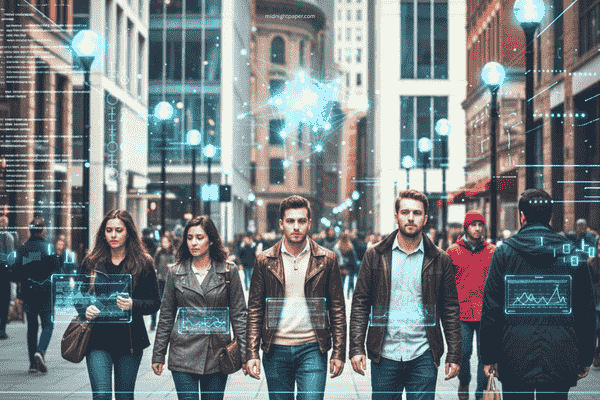
Artificial Intelligence (AI) is now a significant part of modern surveillance systems. In the past, cameras would only record footage, requiring humans to watch and analyse the videos later. Today, AI enables cameras to see, understand, and respond autonomously. These systems can recognise faces, track movements, and identify unusual behaviour in real time. AI based surveillance is widely used in various settings, such as roads, airports, offices, shops, and even online environments. It efficiently manages large amounts of information, making monitoring faster and more effective than ever before.
The growing use of AI in surveillance brings up important issues. While AI can help keep us safe and prevent crime, it also affects our privacy. Many people do not realise how often they are being watched or how their information is used. AI systems can be helpful, but they can also make mistakes. This is why we need human oversight and clear rules. By understanding how AI surveillance works, people can see both its benefits and risks in their daily lives.
Smart Cameras and Face Recognition
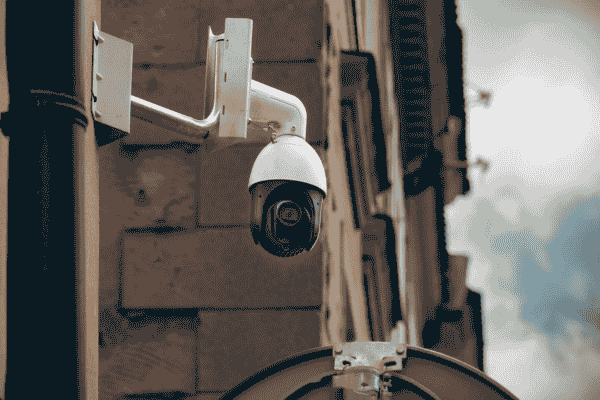
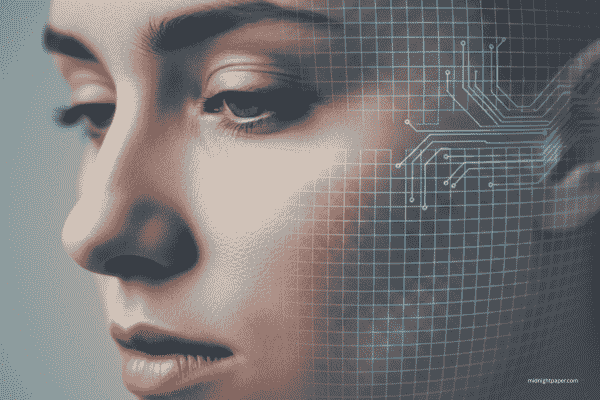
Many modern security cameras use advanced facial recognition technology powered by AI. These systems can quickly analyse and match a face seen in real-time with large databases. These databases might include images from law enforcement, social media, and public records. This technology can help in serious situations, like finding missing people or catching suspects involved in crimes.
Recent reports show that AI can work better when it combines video footage with other data, like location information, behavior patterns, and past interactions. This mix of data can make surveillance footage more meaningful and relevant.
However, it’s important to understand that AI tools can make mistakes. Their accuracy can be affected by factors like poor lighting, obstructions, different angles, and biases in their programming. As a result, an AI camera might wrongly identify an innocent person as a suspect or fail to recognise the actual criminal.
For example, many airports and large stadiums now use AI facial recognition systems for security. These systems speed up security checks, allowing for faster passenger processing and better safety. But the risk of misidentifying someone raises ethical concerns. This highlights the need for ongoing review and improvement of these technologies to ensure fair and accurate results.
Watching Public Spaces
Many cities now have networks of cameras that can do real-time monitoring with the help of AI, rather than just recording. For example, in China, authorities use thousands of cameras along with face recognition and social media monitoring to track people. This allows them to locate and follow dissidents and government critics while also identifying their statements and locations. This shows how cameras can become a strong tracking system that monitors everything, which raises privacy concerns. Some cities also use AI cameras on roads to read license plates, catch stolen cars, and enforce traffic laws.
Online Monitoring
Surveillance extends its reach into the digital realm as well. For example, contractors have informed U.S. agencies that they possess the capability to “scan through millions of posts and utilise advanced AI algorithms to distil their findings.” This powerful software is designed to sift through the vast ocean of social media content, such as tweets and uploads, to identify and flag any potentially suspicious activity.
In practice, U.S. officials have begun employing AI technologies to scrutinise the social media profiles of visa applicants, searching for signs of extremism or other red flags. In essence, our online expressions and interactions have seamlessly integrated into the broader landscape of monitoring and surveillance, transforming how personal information is observed and interpreted.
Law Enforcement and Security
Law enforcement agencies and security forces are increasingly using artificial intelligence (AI) in their work. Many modern police surveillance cameras and body-worn cameras have AI technology that can automatically check for faces and spot unusual activities in real-time. This can help identify suspects and catch criminals faster, which may improve public safety.
However, using AI in policing has some problems. There have been cases where people were wrongly arrested because law enforcement relied only on AI results. Police face-recognition systems compare a person’s facial data with large online photo databases. As a result, innocent people who look like someone on a watch list can be wrongly identified as suspects. These mistakes can lead to serious injustices.
Experts say it’s crucial for human officers to thoroughly check any alerts from AI before they act. This highlights the need for human oversight to ensure AI tools are used responsibly and fairly in law enforcement.
Workplace and Private Surveillance
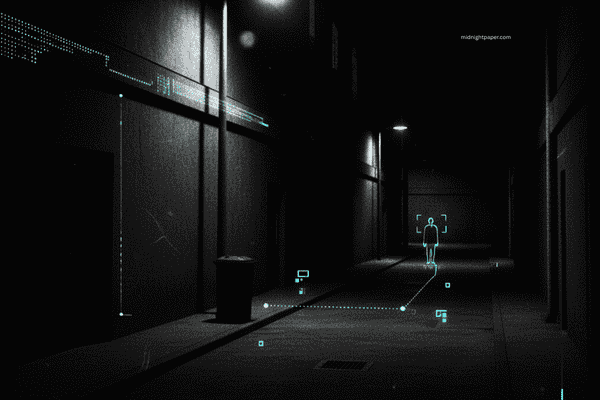
AI surveillance technology is now common in workplaces and private spaces, changing how we live and work. Many retail stores and factories use advanced AI cameras to prevent theft and spot safety issues. Employers are also using software to monitor what employees do on their computers and have installed cameras in offices.
Reports show that many companies in the United States track almost every action their employees take on work computers. Some businesses go even further by using cameras that record employees’ facial expressions and keystroke patterns. Although these tools may improve efficiency and management, they significantly reduce individuals’ privacy in their everyday lives.
Privacy and Ethics
The use of AI raises important concerns about privacy and fairness. Many people do not know who collects their data or why it is used. To tackle these issues, experts suggest creating clear rules. For example, the European Union plans to ban most live facial recognition technology in public places.
In contrast, the United States does not have a national law, resulting in different rules across states. Another major issue is bias in AI systems. Research shows that facial recognition programs often do not work well for women and people of colour. This leads to more mistakes for these groups. Such bias can seriously hurt innocent individuals who get misidentified or misrepresented by these technologies.
AI surveillance can change how people act. If people know that AI cameras or online scanners might watch them, they may feel less free to speak or protest. However, supporters say AI can make us safer by spotting threats early. The key is to find a balance: we need to use AI for security while also protecting our privacy and rights.
Whether you’re just curious or diving deep into tech, we break down complex ideas into clean, relatable insights. No jargon. No noise. Just clear, clever content that sticks — the way learning should be.
Follow Midnight Paper— we make it simple, sharp, and surprisingly fun to learn.